



Detours and Divine Delays
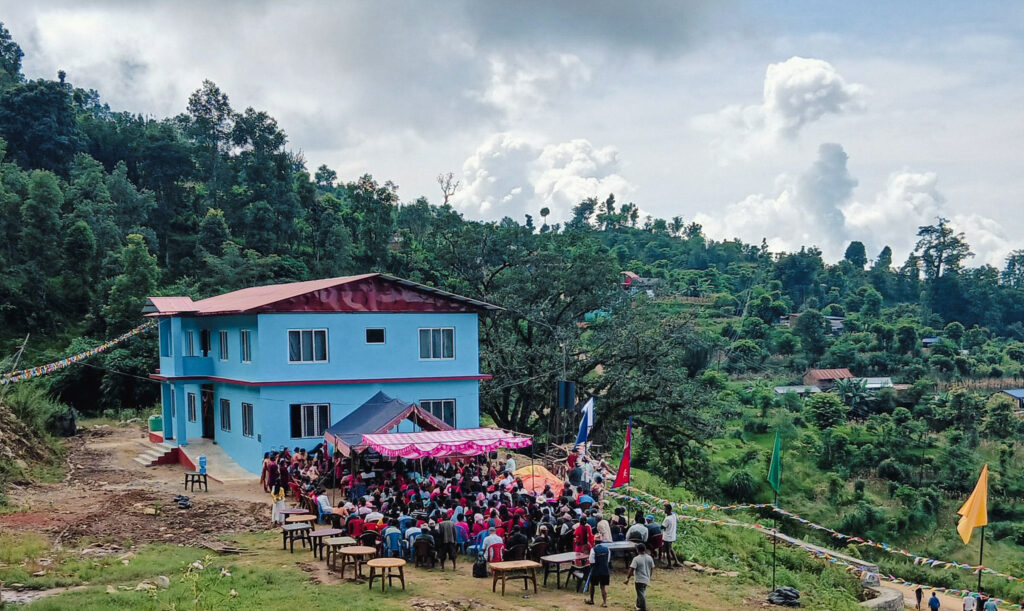
On Monday, August 24, I left our house early in the morning to drive to a village to help Sister Sara prepare for the grand opening of the “social service center” that we’ve been working on these last two years. My teenage son, Mark, stayed home because he couldn’t afford to miss school—and it’s a good thing he did!
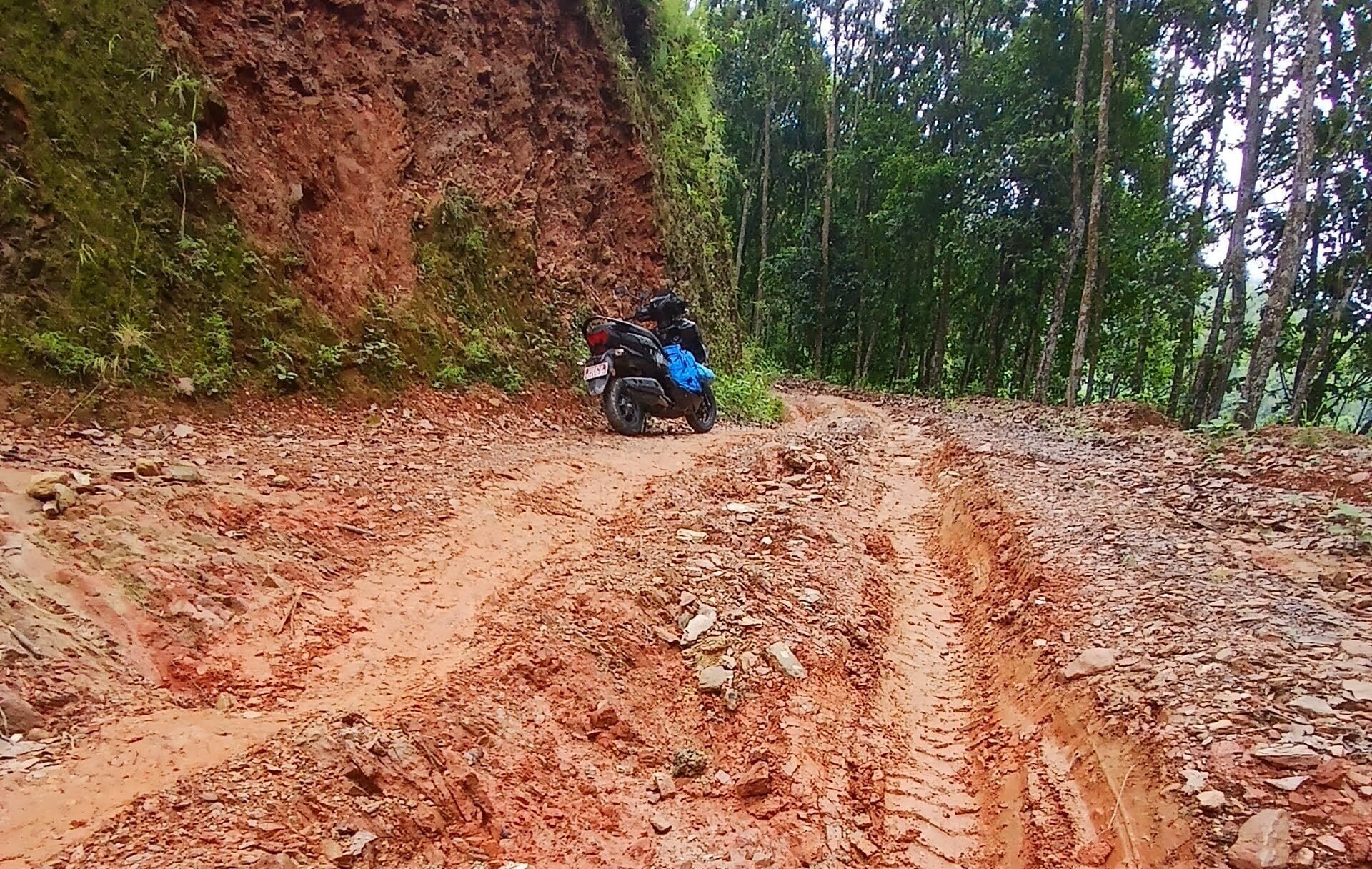
Normally it takes about 3.5 hours to drive to this village on a scooter, but I missed a critical turn and ended up very, very far off the beaten path. At one point I drove for over 30 minutes without seeing any signs of civilization: not another person, animal, house, or barn. My phone had no signal, so I couldn’t use Google Maps to help me find my way. Belting out praise songs to the Lord, I somehow instinctively followed totally unmarked paths and arrived at the orphanage after a total of 6.5 hours. I arrived excited to tell them about how the Lord had guided me. Sr. Sara gave me a huge hug and assured me that there’d be time to talk later…for now, there was work to do.
At the orphanage, we touched up paint and cleared away the trash that the construction crew left behind, hung curtains, arranged furniture, made beds, and put up decorations. When we returned to the sisters’ house, several poor families were there patiently awaiting our arrival. They had traveled on foot for hours and eventually took a bus from the valley to bring their young daughters to live at the sisters’ new home because they didn’t have the financial means to care for them.
I was exhausted after a very long day, but the Lord gave me the strength, joy, and language skills to connect with these families in a beautiful way. Dressed in a traditional kurta, I sat next to them on the ground and ate rice and lentils with my hand while explaining how important prayer is when we live far away from our children: we have to remember that God loves our kids more than we ever could, and trust that He’s going to take care of them when we can’t. In that moment, I was acutely aware of how the last two and a half years of learning the language and culture had equipped me to bring Jesus’ love to the downtrodden and lowly here.
Early the next morning, we picked up where we left off: canopies were assembled, chairs arranged, flags and bands hung, and food prepared. In the early afternoon, busloads of people arrived for the inauguration ceremony, which was a big success. As soon as it was over, everyone left quickly because they knew that traveling during monsoon season was risky and they wanted to get ahead of any rain that might be coming. I stuck around to clean up and help Sr. Sara get the girls settled in their new home. I planned to leave at 9 a.m. Wednesday morning, but the Lord obviously had something different in mind. At 8:50 a.m., I was packed and ready to go. When I went to give Sister a hug goodbye, she insisted I take two bags of fruit and another bag of fried doughnut-like treats. I politely declined, saying that I had enough to carry on my scooter. She insisted, and I politely declined again. Sister wouldn’t take “no” for an answer. She grabbed the keys and started rearranging my belongings to make room for her gifts—my backpack could stay by my feet, and the rest would go into the compartment under the seat. I acquiesced and stood quietly.
Satisfied that she had successfully prepared me for my journey, she firmly pushed the seat closed. As soon as we heard the click of the lock, we realized that my keys were inside. Eager to get home, it seemed like I should have been annoyed, but I felt an unexplainable sense of peace and told Sister that God must not have wanted me to leave at 9 a.m. as I’d planned. A neighbor came to help, and then another man tried, but eventually we had to call a mechanic to retrieve the keys. At 10 a.m., I left Sister’s house and headed toward the nearest footbridge only to find a group of 150+ people gathered at an overlook watching an immeasurable amount of debris rushing down the river.
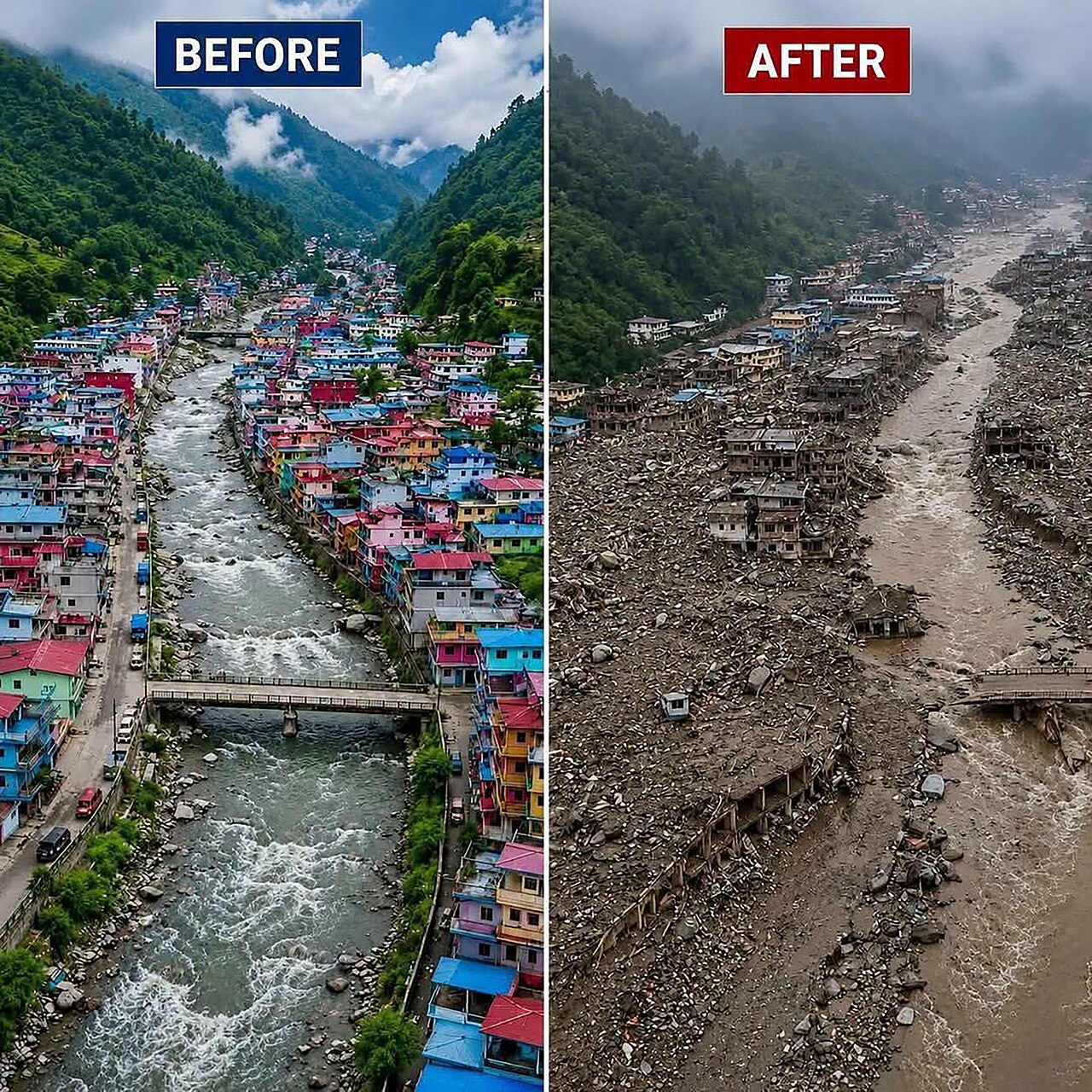
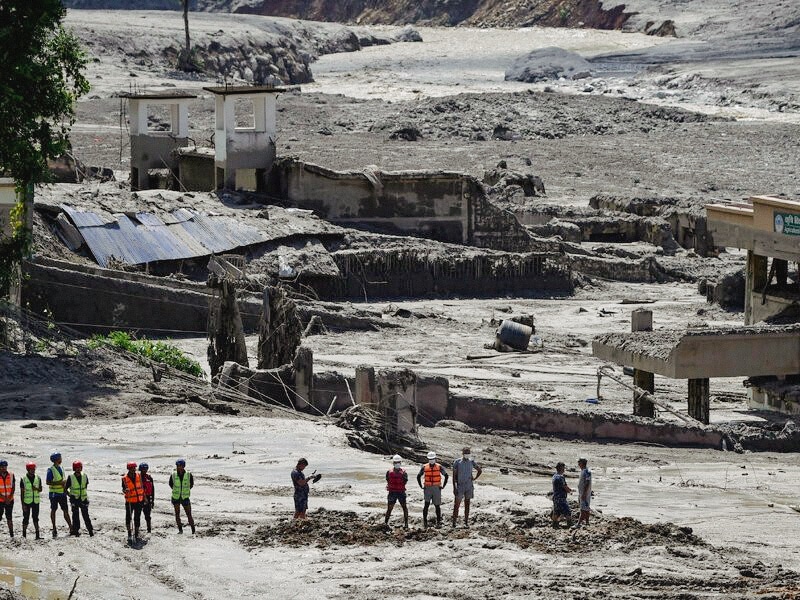
The locals explained that the dam had collapsed and the water was flooding the whole valley, destroying everything in its path. One man calculated that I would have been right in the middle of the devastation if I had left at 9 a.m. as I’d hoped. My eyes welled with tears, and I jumped on my scooter to rush back to Sister’s place. The remainder of my day was spent consoling the moms who had brought their daughters from the valley—their husbands, who worked at the dam, were killed instantly when the flash flood obliterated everything. Thursday was a solemn day of mourning as we received news of whole villages that had been swept away, and a growing number of friends and loved ones who were unaccounted for. The death toll is incalculable. All the cement bridges for miles in both directions were gone, the roads along the river were either buried or impassable, and countless people were stranded without hope of getting help anytime soon. The government warned that another surge of water was likely coming and there was nothing they could do to prevent it. The locals urged me to leave as soon as possible because further damage to the transportation infrastructure could prevent me from returning home for months. Plans were made for a trusted friend to take me on his motorcycle to the only remaining hanging footbridge in the area. On the other side of the river, another friend would meet me and take me home, again via motorcycle. I felt confident about their plan.
When we arrived at the footbridge the following morning, it was obvious to my friend that it wasn’t safe—it had seen at least 10 times its usual monthly traffic in the last 40 hours. After being redirected by police to higher ground, we traveled to another bridge, then another, and another. We finally found one that was intact. We walked the length of two football fields, one person crossing at a time, and made it to the other side—but due to mud and debris blocking roads there, we actually had to cross another bridge back and then cross yet another bridge before we could meet the friend who would take me home.
As he and I drove away, we passed groups of people traveling to high points to escape the second surge; entire villages buried in mud, where people wandered in wet, tattered clothes, covered in muck, and wondering what to do; and panicked crowds as police officers screamed into megaphones urging people on. We had to travel upstream toward the surge for another six minutes before reaching a road that would take us away from the river. Shortly after we reached higher ground, the second surge came with minimal loss as everyone had been warned to evacuate.
The prime minister seems to be doing a commendable job working with the army to manage a complicated situation. Of utmost importance is finding and removing the bodies of the dead and treating the drinking water to contain the spread of disease. Helicopters are delivering supplies to unreachable areas, and evacuation efforts continue. Previously, I have mentioned a remote community that was begging the missionary priest to come and share the Gospel with them. Well, that town has been completely washed away. Father knows one man who survived, and even though he lost his wife, children, friends, and neighbors, he has been working tirelessly to help other survivors. We have given a substantial amount of money to this priest so that he could use it to buy bottled water, sacks of rice, lentils, and oil. We will continue looking for opportunities to provide assistance; we just want to make sure that our aid is, in fact, reaching the people in need.
Unfortunately, there are many scandalous organizations here that take advantage of people’s generosity and con them out of their money. So, I advise you NOT to donate to groups that claim to be providing disaster relief, even if their websites look convincing. I can confidently recommend both Catholic Relief Services and Caritas, which have great relationships with the government and are actively assisting with the organized efforts. Alternatively, you can send FMC a donation and indicate it’s for flood relief. We are already connected with a charity hospital here and plan to work with them to create a relief camp near the flood zone to provide goods, shelter, and counseling.
Throughout this challenging experience, there was never a moment I felt alone. I’m humbled by all the people who reached out to see if I was okay, and eternally grateful for all who sent messages of love and support. We’ve said in the past that your prayers are invaluable—they strengthen us when we’re weak, reassure us when we doubt, help us discern God’s will when everything is overwhelming and unclear, and protect us from real danger. There’s no way to truly understand prayer or the impact it has on people’s lives, but we do know that it draws us closer to one another and to the Lord, and it helps us grow in faith. So please, please, keep praying!

ADD TO THE DISCUSSION