



Terra Nova
I knew how to find Mexico on a world map. I had read about the Aztecs, their culture and traditions, and the climate of this vast country. But theoretical knowledge is rarely enough. Books and maps can never quite prepare you for the richness of the experience of actually living somewhere.
No wonder many have tried to describe Mexico—a colorful, vibrant land, full of contrasts, surprises, and warm people.
The Mexican flag invites reflection. The green, white, and red stripes surround the national emblem: a golden eagle devouring a serpent while perched on a cactus. Courage, strength, and the warrior spirit of a people are captured in that dramatic scene of conquest and victory.
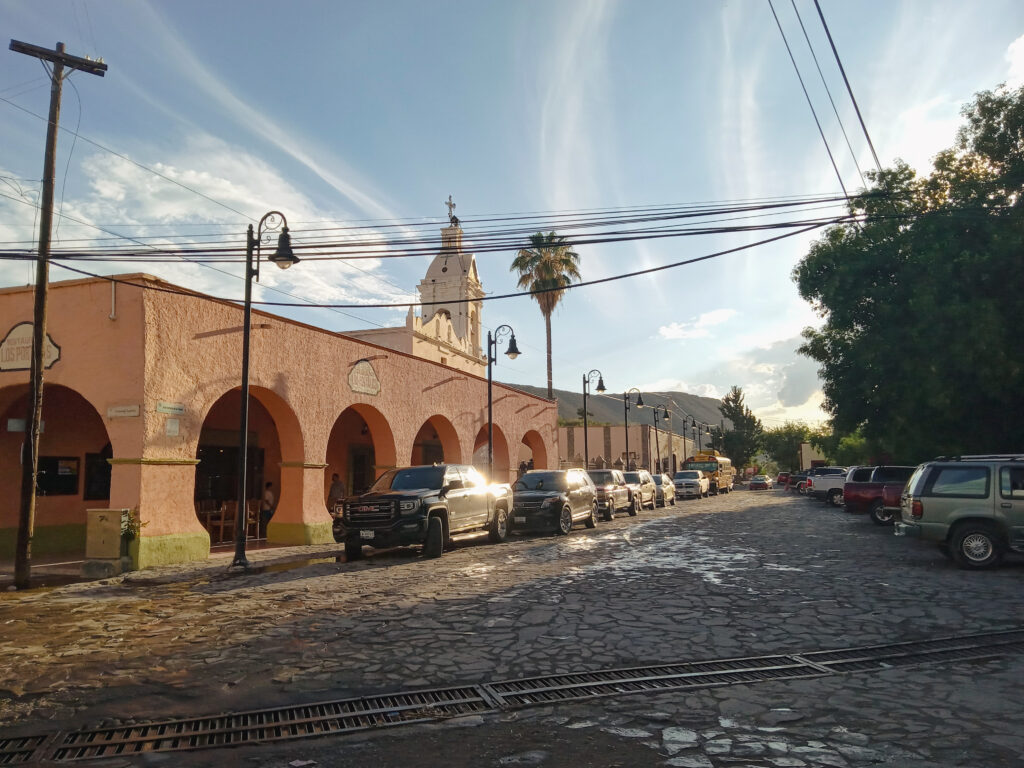
After my arrival as the weeks became months and I slowly adapted to the hot, arid landscape surrounding our mission post in General Cepeda, I began to wonder what those three colors might mean for me as a missionary.
On the days we visit the neighboring ranchos, we step out of the car onto sun-baked, dusty soil that sometimes looks almost red.
Red on the Mexican flag honors the bloodshed by the heroes who fought for independence. Another kind of conquest has been taking place here—the conquest for souls.
Red also represents the union between European-descended people and native Mexicans. Today, our missionary purpose is to build another kind of union: to become a bridge, a signpost pointing our Mexican friends towards Christ. It is a sweaty, exhausting endeavour, and it comes at a cost.
We have left our loved ones behind. Some days, the loneliness pierces our hearts and floods our eyes. In local markets and at church, our pale skin makes us stand out as gringas among people with darker complexions and different features.
There is the desert heat, the mosquitoes, fatigue, and the constant noise of street life. There is the daily struggle of acquiring a new language! All of this is part of the price of building that lasting union of love.
Our efforts are bound by prayer to the One who made all things possible through His own blood and sacrifice. And so, the missionary cry rings out: “¡Viva Cristo Rey!”
My FMC shirt says in bold letters, “Jesus loves Mexico.” But the deeper challenge here in General Cepeda is to love Jesus and His Mexican children so that our love goes beyond the initial pains of culture shock and the loss of familiar comforts. That, perhaps, is the red of missionary life: love that costs something.
A few months ago, after evening Mass, a grey, dirty and hungry puppy followed me home—and promptly decided she belonged there. Mexico has the highest number of homeless dogs on the continent, and this little one seemed determined to become part of our hogar, our home.
Today, Ally is a playful companion on my daily walks and runs. One of her favorite places is a nearby pecan orchard—the greenest stretch of land for miles around. In the middle of this dry, dusty landscape, the orchard feels almost miraculous. It is an oasis, full of shade, offering respite to local wildlife and to missionaries seeking a quiet place to rest or pray. Whenever I see it, I think about how an arid land can be transformed into something lush and green when it receives what it needs to flourish.
Missionary life can feel like that, too. When we return from a morning of ministry, close the big old puertas after a long day of “open doors” at the mission house, encounter someone on the street who needs help, or pray with a local family, it feels as though a little more esperanza—hope—has been watered into the soil.
Sometimes that hope is visible in something small: a sudden smile, a sigh of relief, or the peaceful expression on someone’s face after we close the prayer with the final “Amen.”
We may not be able to repair a collapsed roof immediately or cure a chronic illness. But we can listen. We can pray. We can remind someone that their present suffering is not permanent.
Primero Dios: First, God. With God, even the most arid circumstances can slowly become a luscious green orchard, as long as we remain close to the Source of Life and Hope.
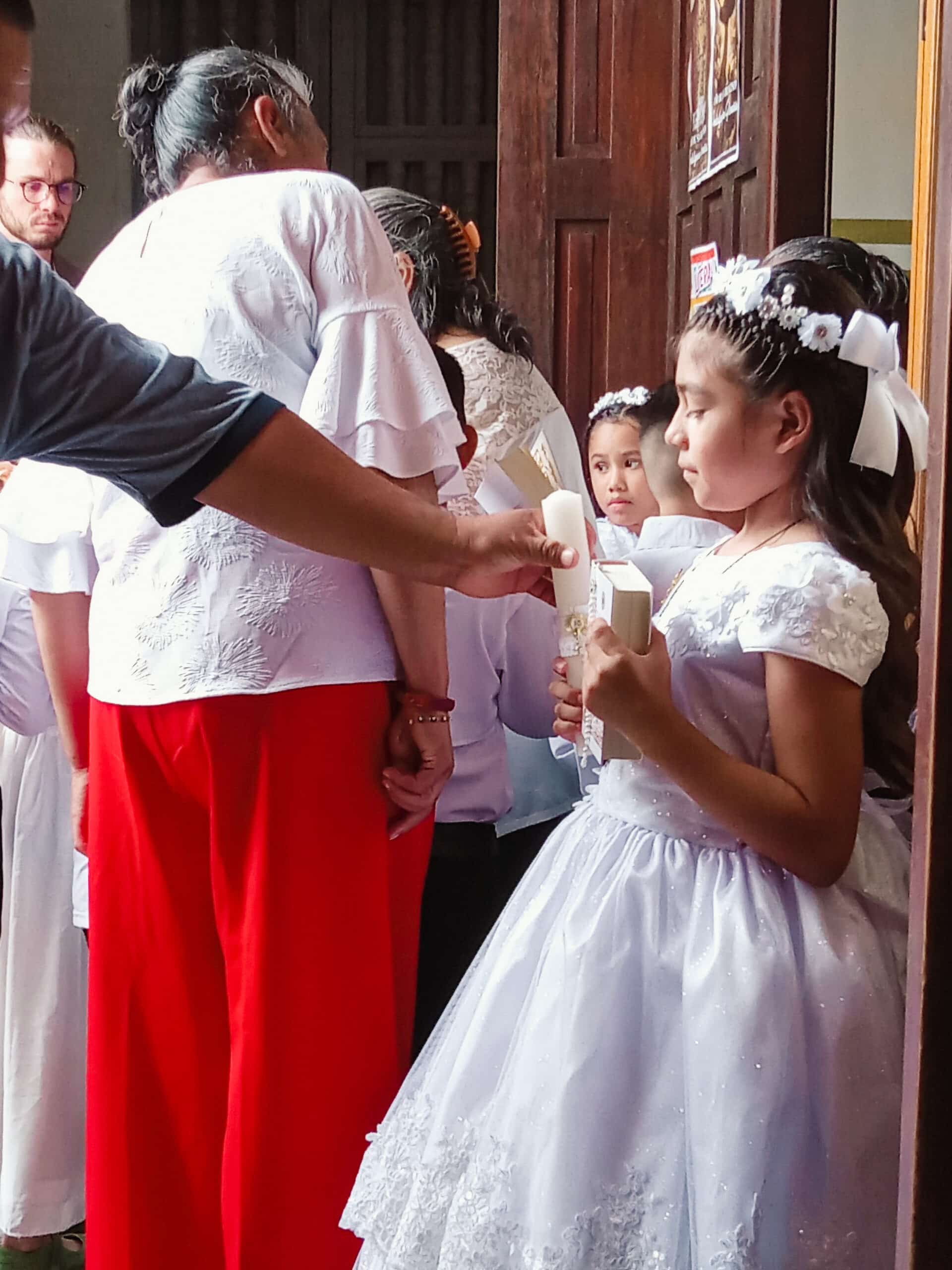
Over summer, our local church of St. Francisco of Assisi seemed to burst at the seams with white. There were girls in beautiful First Communion dresses, boys looking handsome in crisp white shirts tucked into jeans, and excited families from the town and ejidos— rural communities—celebrating their children receiving the Body and Blood of Christ.
That sea of white reminded me of the purity and innocence of a young faith. As sponsors lit candles and promised to support these children on their faith journey, rosaries and little Bibles rested on young laps.
Yet, the Church extends far beyond the walls of the parish. Sometimes inside the hidden corners of dilapidated houses we find our most intimate encounter with Christ and those He is seeking to draw back to Himself.
Budding faith can easily become tarnished or pushed aside by time, hardship, and poverty. Our local priest serves the town and more than 25 remote surrounding ranchos. He simply cannot be everywhere. As missionaries, we can reach some of the places and people where he cannot.
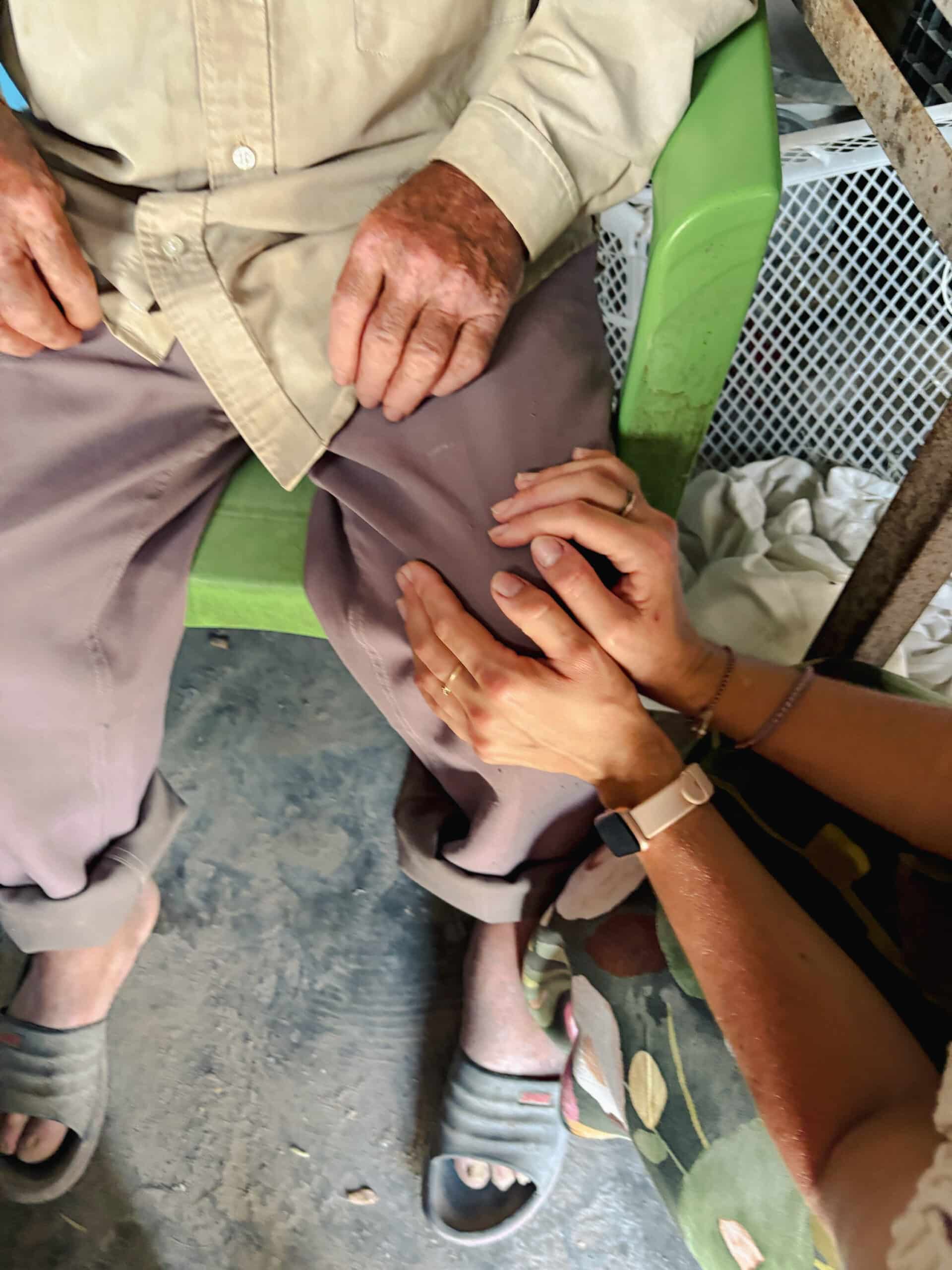
A Bible study, a conversation, a spontaneous prayer as we lay hands on someone beside us: these small encounters are how the Church grows—quietly, patiently, one person at a time. They unite us into one Body and remind us that none of us walks this journey alone.
Mexico has been a land of conquest for centuries. Even its flag took time to become what it is today. That is a fitting reminder for missionary life.
Everything good takes time—even building a house, growing an orchard, or building a life of faith. Being a missionary in Mexico is teaching me patience, perseverance, and childlike trust.
The real work is found in the combined efforts of those who came before us, those of us here now, and those who will come after.
The passionate love of Christ. The evergreen hope of His promises. The pure unity of His Church.
These are the colors I see woven through missionary life here.


ADD TO THE DISCUSSION